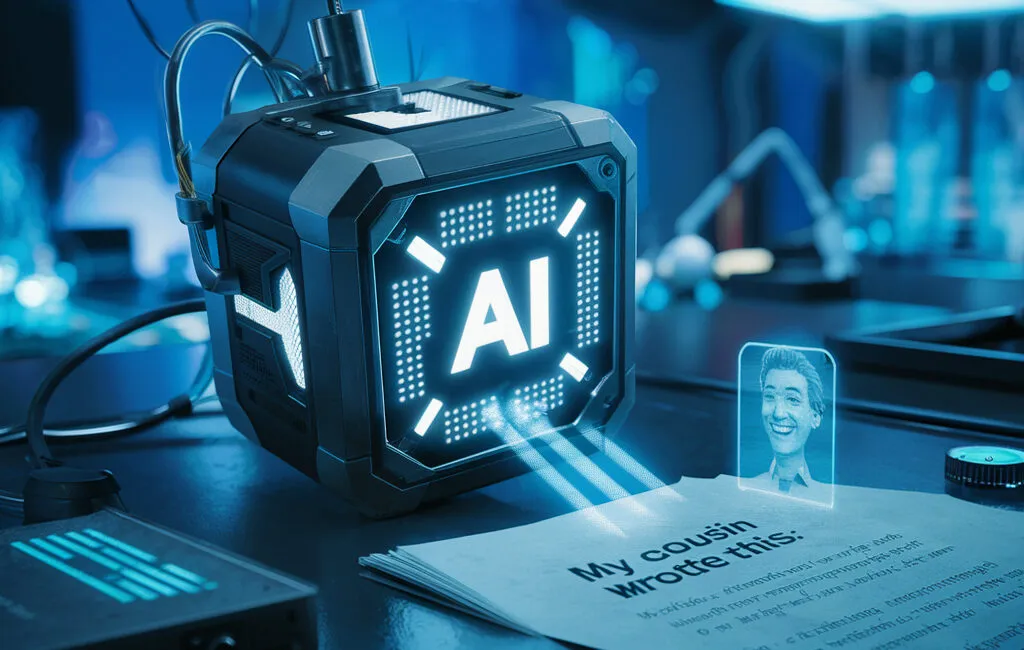
The internet is experiencing a creative revolution. Articles are generated in seconds, marketing campaigns are drafted automatically, and students can receive instant essays with a single command. Artificial intelligence has completely reshaped how digital content is produced. Yet with this innovation comes a growing challenge: distinguishing authentic human creativity from machine-generated text. This is where the modern AI detector has become one of the most discussed technologies in the digital world.
An ai detector is no longer just a technical tool for developers or researchers. It has become a powerful system used by educators, publishers, businesses, and creators who want to preserve originality, trust, and transparency in an increasingly automated environment.
Why the World Suddenly Needs AI Detectors
For years, content creation depended entirely on human effort. Writers, journalists, marketers, and students developed ideas through personal thought and experience. Artificial intelligence changed this process dramatically by making automated writing accessible to nearly everyone.
While AI writing tools save time and improve productivity, they also raise important concerns:
- Is the content authentic?
- Was the information created responsibly?
- Does the writing reflect real understanding?
- Can audiences still trust online content?
These concerns have fueled the rapid rise of AI detectors across industries worldwide.
What Is an AI Detector?
An AI detector is a system designed to analyze written content and estimate whether it was created by artificial intelligence or a human writer.
Unlike plagiarism software that compares copied material from existing sources, AI detectors focus on writing behavior and linguistic structure. They study how sentences flow, how predictable word choices are, and whether the content reflects natural human variation.
Human writing often contains emotional shifts, unexpected phrasing, and subtle imperfections. AI-generated text, however, tends to appear statistically balanced, structured, and unusually consistent.
Modern AI detectors evaluate patterns such as:
- Sentence predictability
- Vocabulary repetition
- Uniform writing rhythm
- Consistent tone structure
- Probability-based language flow
These systems use machine learning models trained on enormous datasets containing both human-written and AI-generated text.
The Growing Influence of AI Detection in Education
One of the biggest areas affected by AI detection technology is education. Schools and universities around the world are adapting to a new reality where essays and assignments can be generated within seconds.
Teachers now use AI detectors to encourage critical thinking and preserve academic integrity. However, the role of these tools goes beyond simply identifying automated writing.
Educational institutions increasingly view AI detection as part of a broader conversation about responsible technology use. Students are being encouraged to combine AI assistance with genuine research, creativity, and personal understanding rather than relying entirely on automation.
How Businesses Use AI Detectors
Brands today compete heavily for audience trust. Consumers quickly recognize content that feels robotic, repetitive, or emotionally disconnected.
Businesses now use AI detectors to maintain authenticity in:
- Blog articles
- Website content
- Product descriptions
- Marketing campaigns
- Social media posts
An effective AI detector helps companies refine their communication so it feels more human-centered and emotionally engaging.
One of the most important tools in digital marketing today is authentic storytelling, and AI detection is becoming more and more important in preserving that authenticity.
The Challenge of Accuracy
Despite rapid advancements, AI detectors are not perfect. Human writing styles vary significantly, which means false positives can sometimes occur.
For example:
- Highly formal writing may appear machine-generated
- Edited AI content may seem more human
- Technical documents may trigger detection systems incorrectly
Because of these limitations, AI detectors work best as guidance tools rather than final authorities.
Human review still remains essential for KI detector evaluating context, originality, and intent.
Why Human Creativity Still Matters
Artificial intelligence can generate information quickly, but it cannot fully replicate human experience, emotion, or personal storytelling.
Human creativity includes:
- Cultural understanding
- Emotional nuance
- Personal memory
- Humor and unpredictability
- Original perspective
These qualities make authentic human writing emotionally powerful in ways that automation still struggles to achieve.
Originality and a unique voice are becoming progressively more important as viewers grow more conscious of AI-generated material.
The Role of AI Detectors in Journalism and Publishing
Online publishing faces increasing pressure to produce content rapidly. However, speed often comes at the cost of quality and trust.
News organizations and publishers are now using AI detectors to help verify content authenticity before publication. This helps reduce the spread of low-quality automated articles and misinformation.
In journalism especially, credibility depends on maintaining transparency and editorial integrity.
The Future of AI Detection Technology
The future of AI detectors will likely involve more advanced analysis methods that go beyond simple text evaluation.
Future systems may analyze:
- Writing intent
- Contextual originality
- Semantic patterns
- Behavioral writing signatures
- Cross-platform content consistency
AI detectors may eventually become integrated directly into publishing software, educational platforms, and search engine algorithms.
Rather than discouraging AI usage entirely, future systems will likely focus on promoting responsible collaboration between humans and artificial intelligence.
Why Authenticity Will Always Win
Technology constantly changes, but audiences continue valuing content that feels emotionally real. Readers connect more deeply with stories, opinions, and experiences that reflect genuine human perspective.
An AI detector represents more than a software tool. It symbolizes society’s growing demand for honesty and originality in digital communication.
In a world filled with automation, authenticity becomes increasingly powerful.
Conclusion
The rise of artificial intelligence has transformed content creation faster than anyone imagined. As AI-generated writing becomes more common, the importance of the AI detector continues growing across education, business, publishing, and digital media.
However, the future of communication will not belong entirely to machines. Human imagination, emotional intelligence, and authentic storytelling remain irreplaceable strengths. AI detectors simply help protect the value of those human qualities in an increasingly automated digital world.
See More Articles: Clicking Here