Introduction
In the turbine industry, maintaining stable and reliable control systems is essential for ensuring efficient power generation and uninterrupted operations. Gas and steam turbines operate under demanding industrial conditions where electrical disturbances and static charge buildup can negatively affect system performance. To overcome these challenges, turbine facilities use advanced static charge management technologies to protect sensitive control equipment and maintain operational stability.
Static control systems play a crucial role in modern turbine automation by reducing electrical interference, improving communication between components, and protecting critical electronic circuits from unexpected discharge events.
Understanding Static Charge in Turbine Systems
Static electricity occurs when electrical charges accumulate on surfaces or within electronic systems. In turbine environments, static charge can develop due to high-speed mechanical movement, friction, electrical switching, or changing environmental conditions.
Although static charge buildup may appear minor, it can create serious problems within turbine control systems. Excess electrical energy can interfere with communication signals, damage electronic modules, and reduce the accuracy of monitoring systems.
Common issues caused by poor static charge control include:
- Signal disruptions in control circuits
- Unexpected turbine shutdowns
- Damage to electronic components
- Faults in monitoring and diagnostic systems
- Increased maintenance and repair costs
Since turbine operations rely heavily on accurate data and stable communication between system components, managing static electricity is essential for safe and efficient performance.
The Role of Static Charge Management
Static charge management refers to the process of controlling and minimizing unwanted electrical discharge within turbine systems. This is achieved through specialized control technologies, grounding systems, protective circuits, and electrical filtering solutions.
These systems help maintain consistent electrical performance throughout turbine operations and support the reliability of critical automation equipment.
Improved System Reliability
One of the primary benefits of static charge management is improved system reliability. By reducing electrical noise and voltage instability, turbine control systems can operate with fewer interruptions and faults.
Reliable control performance is particularly important in power plants and industrial facilities where unplanned downtime can result in major operational and financial losses.
Protection of Sensitive Components
Modern turbine systems contain highly sensitive electronic equipment, including sensors, controllers, processors, and communication modules. Static discharge can damage these components and shorten their operational lifespan.
Effective static control solutions help protect equipment from electrical stress, reducing the risk of premature failure and minimizing replacement costs.
Enhanced Operational Safety
Electrical instability can sometimes trigger false alarms, incorrect readings, or emergency shutdowns. Proper static charge management improves overall operational safety by ensuring accurate communication between control system components.
This allows operators to maintain stable turbine performance under varying operating conditions.
Importance of Control Boards in Turbine Automation
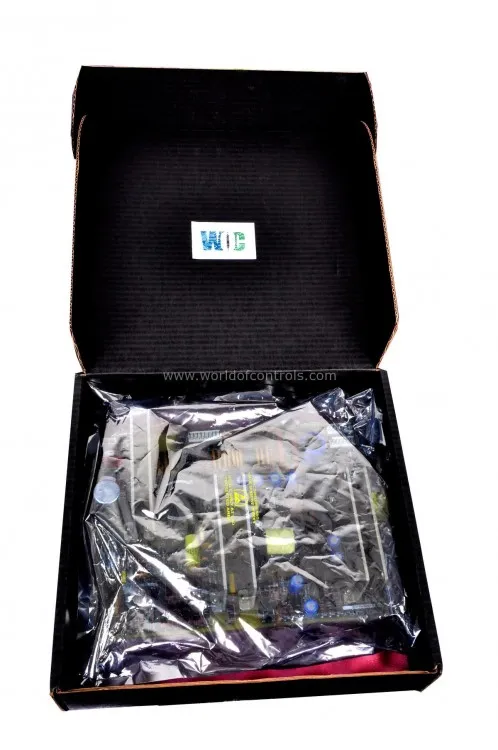
Control boards are essential elements within modern turbine automation systems. They support communication, data processing, signal regulation, and system monitoring functions that are critical for turbine performance.
In static charge management applications, specialized control boards help regulate electrical activity and maintain stable communication throughout the control network. These boards contribute to:
- Signal conditioning and voltage regulation
- Electrical noise reduction
- Improved system diagnostics
- Stable communication between turbine components
- Enhanced control accuracy and performance
As turbine systems become more digitally integrated, the importance of reliable control board technology continues to grow.
Challenges of Poor Static Control
Without proper static charge management, turbine facilities may experience repeated operational issues that affect productivity and equipment reliability.
Increased Maintenance Requirements
Electrical disturbances can damage sensitive electronics and create recurring faults, leading to frequent inspections and repairs.
Reduced Turbine Efficiency
Unstable control signals may prevent turbines from operating at peak performance levels, reducing overall efficiency and energy output.
Unexpected Downtime
Static discharge events can interrupt communication within control systems and trigger unplanned shutdowns, affecting plant operations and production schedules.
For industries that rely on continuous power generation, avoiding these disruptions is critical.
Future of Static Charge Management in the Turbine Industry
As turbine technology continues to advance, control systems are becoming smarter, faster, and more connected. Industrial facilities are increasingly adopting digital automation technologies that require greater electrical stability and system protection.
Future static charge management solutions are expected to include advanced monitoring capabilities, improved diagnostics, and more intelligent protection systems designed to support predictive maintenance and long-term reliability.
These innovations will help turbine operators improve operational efficiency while reducing maintenance costs and system downtime.
Conclusion
Static charge management is a critical component of modern turbine control systems. By reducing electrical interference and protecting sensitive electronic equipment, static control technologies help improve reliability, safety, and operational performance across industrial turbine applications.
As turbine automation continues to evolve, effective static charge management will remain essential for ensuring stable operations, protecting valuable equipment, and supporting efficient power generation in demanding industrial environments.