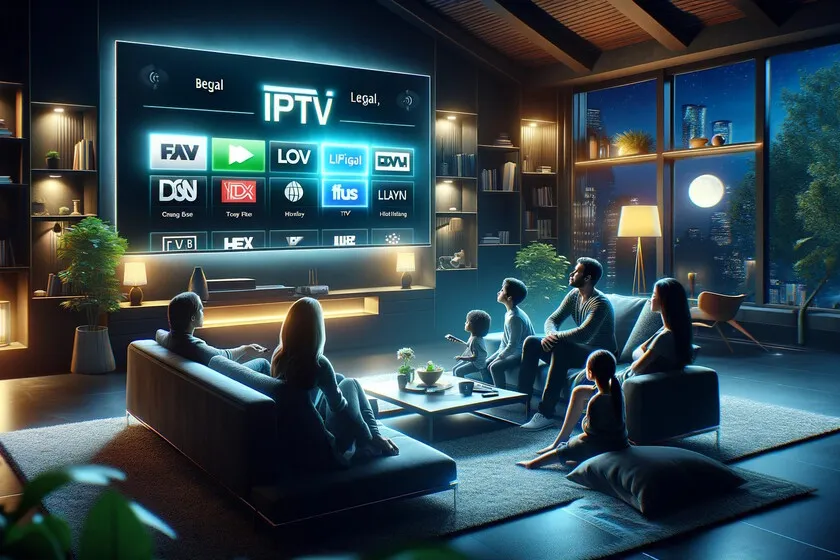
Family entertainment looks very different today compared to just a decade ago. Traditional television once meant gathering around a single screen at a fixed time to watch scheduled programs together. While that model worked for many years, modern lifestyles have changed. Families are now busier, more connected through digital devices, and looking for entertainment that fits into flexible daily routines.
Streaming services have completely reshaped how households watch television by giving viewers more control, more content choices, and easier access across multiple devices. What used to be a simple evening activity has evolved into a personalized entertainment experience designed around convenience and flexibility.
Traditional TV No Longer Matches Family Routines
Modern households rarely follow the same schedules anymore. Parents may be working late, children may have school activities, and different family members often prefer different types of entertainment.
Traditional television created limitations because:
- Programs aired at fixed times
- Families had to share one screen
- Missing a show often meant waiting for a repeat
- Content choices were restricted by cable packages
As routines became more unpredictable, viewers started looking for more practical ways to access entertainment.
Streaming Gives Families More Flexibility
One of the biggest reasons streaming platforms became popular is flexibility. Instead of adjusting life around television schedules, families can now watch content whenever it suits them.
This allows viewers to:
- Pause and continue content anytime
- Watch shows on their own schedule
- Access entertainment during travel or breaks
- Stream from different rooms simultaneously
This shift has made entertainment feel more natural and adaptable to everyday life.
Multiple Devices Changed Home Entertainment
A major difference between traditional TV and modern streaming is multi device access. Families are no longer limited to one television in the living room.
Streaming services now support:
- Smart TVs
- Smartphones
- Tablets
- Laptops and desktop devices
This means parents can watch live news while children stream cartoons or educational content on separate devices at the same time.
Services like Netflix and YouTube helped popularize this viewing behavior by making entertainment accessible across multiple screens.
Personalized Content Creates Better Experiences
Streaming platforms also changed how families discover content. Instead of browsing through endless cable channels, users now receive recommendations based on viewing habits and preferences.
This creates:
- Personalized watchlists
- Faster content discovery
- Better recommendations for each family member
- More engaging viewing experiences
The result is entertainment that feels more relevant and tailored to individual interests.
Convenience Is the Biggest Advantage
One reason modern families prefer digital entertainment is simplicity. Streaming platforms remove many of the frustrations associated with traditional television.
There is:
- No complicated installation process
- No dependency on fixed schedules
- No need for multiple cable boxes
- No waiting for repeated broadcasts
For many households, this level of convenience makes entertainment significantly easier to manage.
This is why services focused on smart streaming continue gaining attention among families looking for flexible and accessible entertainment solutions.
On Demand Viewing Has Changed Family Habits
Streaming services introduced the idea that entertainment should be available instantly instead of following broadcasting schedules.
Families can now:
- Watch entire series together anytime
- Replay missed programs
- Pause movies during interruptions
- Continue content across different devices
This freedom has changed how families spend time together and consume entertainment at home.
Streaming Technology Keeps Improving
Streaming platforms have also become more reliable due to advancements in internet technology and digital infrastructure.
Modern systems now offer:
- HD and 4K streaming quality
- Faster loading speeds
- Reduced buffering interruptions
- Better performance across devices
These improvements have made streaming a realistic replacement for traditional television in many households.
The Future of Family Entertainment Is Digital
The shift toward streaming is not temporary. Families increasingly expect entertainment that is:
- Flexible
- Personalized
- Accessible from anywhere
- Easy to manage across devices
This evolution reflects broader digital trends where convenience and user experience are becoming central to everyday technology.
Final Thoughts
Modern streaming services are changing the way families watch TV by creating entertainment experiences that are more flexible, personalized, and convenient than traditional television. Multi device access, on demand content, and improved streaming quality have transformed home entertainment into something that better fits modern lifestyles.
For entrepreneurs, startups, and business professionals, this shift demonstrates how digital innovation succeeds when it focuses on solving real everyday problems for consumers.
As streaming technology continues to evolve, family entertainment will become even more connected, accessible, and user focused in the years ahead.