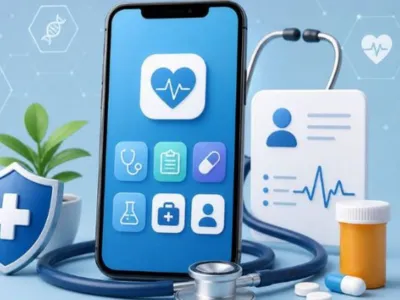
The healthcare industry is rapidly moving toward digital transformation, and mobile technology is playing a major role in this change. Hospitals, clinics, and healthcare providers are now using mobile applications to manage patient records, appointments, prescriptions, and communication more effectively. Healthcare apps not only improve operational efficiency but also help doctors provide faster and more accurate treatment.
In today’s modern healthcare environment, managing patient information manually is no longer practical. Paper-based records are difficult to maintain, prone to errors, and time-consuming to access. This is where healthcare apps become valuable. They simplify data handling and improve the overall patient experience.
Digital Storage Makes Patient Records Easy to Access
One of the biggest advantages of healthcare apps is digital record management. Instead of storing physical files, healthcare organizations can maintain all patient information securely in a centralized system.
Doctors and medical staff can instantly access:
- Patient history
- Lab reports
- Prescription details
- Treatment plans
- Appointment records
This quick access saves time and allows healthcare professionals to make faster decisions during emergencies. Digital storage also reduces the risk of losing important medical records.
Patients benefit as well because they can access their own reports and prescriptions directly through mobile apps without visiting hospitals repeatedly.
Improved Accuracy in Medical Data
Manual record-keeping often leads to mistakes such as missing files, duplicate entries, or incorrect patient details. Healthcare apps help reduce these issues by automating data entry and management processes.
Modern healthcare applications use advanced technologies like cloud computing and automation to maintain accurate records. Features such as auto-updates, digital prescriptions, and real-time synchronization help healthcare providers avoid errors.
Accurate patient data is extremely important because even a small mistake in medical records can affect diagnosis and treatment. Healthcare apps improve reliability and ensure that healthcare professionals work with updated information at all times.
Better Communication Between Doctors and Patients
Healthcare apps improve communication between patients and medical professionals. Through these applications, patients can:
- Book appointments online
- Receive reminders for medications
- Chat with doctors
- Access health reports
- Get telemedicine consultations
This level of connectivity improves patient engagement and encourages individuals to take better care of their health.
Doctors can also monitor patients remotely and provide timely guidance. This is especially useful for elderly patients and individuals with chronic conditions who require regular monitoring.
Benefits of App Development for Healthcare
The growing demand for digital healthcare services has increased the importance of app development for healthcare. Custom healthcare applications are designed to meet the unique requirements of hospitals, clinics, diagnostic centers, and healthcare startups.
These apps provide features like:
- Electronic health record management
- Secure patient data storage
- Online billing and payments
- Appointment scheduling
- AI-powered health monitoring
- Data analytics and reporting
Healthcare organizations investing in app development can streamline their operations and improve service quality. Mobile applications also help reduce paperwork, administrative costs, and waiting times for patients.
Additionally, healthcare apps improve compliance with data security regulations by using encrypted storage and secure authentication systems. This protects sensitive patient information from unauthorized access.
Enhanced Data Security and Privacy
Patient data security is a major concern in the healthcare industry. Medical information is highly sensitive, and healthcare organizations must protect it from cyber threats and unauthorized access.
Healthcare apps use advanced security features such as:
- End-to-end encryption
- Multi-factor authentication
- Secure cloud storage
- Role-based access control
- Regular security updates
These technologies help ensure that patient information remains confidential and protected.
Many healthcare applications also comply with healthcare regulations and standards to maintain trust and transparency. Secure data management improves patient confidence and strengthens the reputation of healthcare providers.
Faster Decision-Making Through Data Analytics
Healthcare apps collect and organize large amounts of patient data, which can be analyzed to improve medical services. Advanced analytics tools help healthcare providers identify trends, monitor patient health conditions, and make informed decisions.
For example, doctors can analyze patient history to predict health risks and recommend preventive treatments. Hospitals can also use analytics to optimize resource management and improve operational efficiency.
Real-time access to organized data helps medical professionals deliver better care and reduce delays in treatment.
Remote Monitoring Improves Patient Care
Remote patient monitoring has become increasingly popular, especially after the rise of telemedicine services. Healthcare apps allow doctors to track patient health conditions without requiring physical visits.
Wearable devices and mobile health apps can monitor:
- Heart rate
- Blood pressure
- Blood sugar levels
- Sleep patterns
- Physical activity
This continuous monitoring helps doctors identify health issues early and provide timely medical support. It also reduces hospital visits and improves convenience for patients.
Remote healthcare solutions are particularly beneficial for patients living in rural or remote areas where access to medical facilities may be limited.
Reduced Administrative Workload
Administrative tasks consume a significant amount of time in healthcare organizations. Scheduling appointments, managing patient records, handling billing, and maintaining reports manually can create inefficiencies.
Healthcare apps automate these processes and reduce the workload on hospital staff. Automated systems improve productivity and allow healthcare professionals to focus more on patient care instead of paperwork.
By reducing repetitive tasks, healthcare apps also help lower operational costs and improve workflow management.
Conclusion
Healthcare apps have transformed the way patient data is managed in the modern medical industry. From secure digital records to remote patient monitoring, these applications improve efficiency, accuracy, communication, and patient care.
The demand for innovative healthcare technology continues to grow as healthcare providers seek smarter ways to manage data and deliver better services. Businesses investing in healthcare app solutions can achieve long-term operational benefits while improving patient satisfaction.
As technology evolves, industries beyond healthcare are also embracing digital transformation. Similar innovations can be seen in sectors like real estate application development, where mobile apps help businesses manage operations, customer interactions, and data more efficiently.