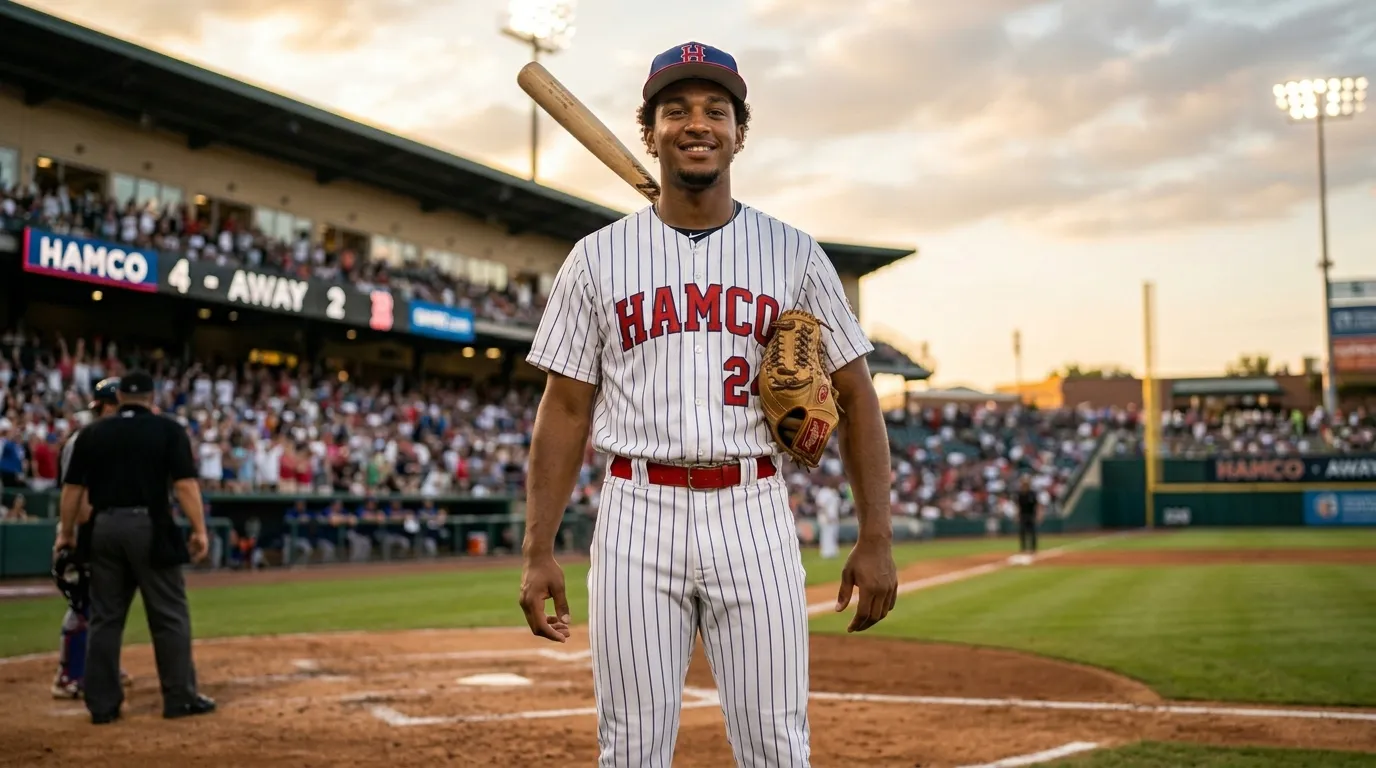
The first time I ordered custom baseball uniforms for a 12U travel squad, I made almost every mistake on this list. The jerseys ran tight in the shoulders. One kid’s name was misspelled on the back. And the navy I picked online looked closer to blueberry under stadium lights. We still won our pool that weekend, but I promised myself the next order would be different.
That experience, plus a few hundred jerseys since, shaped this guide. If you’re outfitting a Little League roster, a high school program, or a beer league squad that takes itself a little too seriously, the same principles apply. Get the small stuff right and your team looks pro for years. Get it wrong and you’re reordering halfway through the season.
Here’s the no-fluff walkthrough.
Table of Contents
1. What custom baseball uniforms actually include
2. Sublimation, tackle twill, embroidery: decoration methods compared
3. Fabric and fit: what matters and what’s marketing
4. Designing a uniform people actually want to wear
5. Picking the right team name and look
6. Real pricing tiers in 2026
7. Step-by-step: from idea to delivery
8. Common mistakes coaches keep making
9. Expert tips after a hundred orders
10. FAQs
11. Final verdict
What Custom Baseball Uniforms Actually Include
Most teams underestimate this. A “uniform” isn’t just a jersey. A real, tournament-ready setup usually means:
• Jersey (full-button, two-button, or pullover)
• Pants (knicker, open-bottom, or piped)
• Cap (fitted, snapback, or flex-fit with custom 3D logo or flat embroidery)
• Belt in your primary color
• Stirrup or knee-high socks
• Optional warm-up jacket, hoodie, or batting practice tee
If you’re comparing quotes between sports uniforms vendors, line up the full package, not just the jersey number. One company’s $39 jersey often becomes a $130 head-to-toe build once you add the rest. Another’s $80 jersey might already include cap and pant pricing.
A small detail people overlook: matching practice gear. If your team only owns a single jersey, it lives in laundry baskets and team bags. Order a practice tee in the same color scheme and your gamewear lasts twice as long.
Sublimation, Tackle Twill, Embroidery: Decoration Methods Compared
This is the choice that defines how your uniforms look and how long they last. Quick definitions before the table:
• Dye sublimation prints the design as gas into polyester fibers, so it becomes part of the fabric. No raised texture, nothing to peel.
• Tackle twill is the classic pro look. Letters and numbers are cut from twill fabric and stitched onto the jersey.
• Embroidery is thread-based stitching, usually for caps, sleeve patches, and small chest logos.
• Screen printing lays ink on top of the fabric in flat layers.
• Heat transfer vinyl (HTV) presses a vinyl decal onto the surface using heat. Fast but less durable.
Here’s a side-by-side I wish I had when I started:
Method
Best For
Limitations
Durability
Cost
Dye Sublimation
Bold all-over graphics, gradients, multi-color logos, lighter feel
Polyester only; colors look slightly muted on light fabrics
Excellent
$$
Tackle Twill
Pro-style numbers and lettering with that classic stitched look
Heavier; limited to simple shapes; adds weight to the jersey
Very high
$$$
Embroidery
Caps, small chest logos, sponsor patches, retro detailing
Not great for large or highly detailed artwork
Very high
$$$
Screen Print
Practice tees and budget builds with few colors
Can crack or peel after heavy use; cost climbs with each color
Moderate
$
Heat Transfer (HTV)
Quick one-offs, last-minute name changes, single-jersey adds
Shorter lifespan than the others; can lift at edges
Lower
$
My honest opinion: a sublimated body with tackle twill names and numbers is the sweet spot for most travel and high school programs. You get bold colors all over the jersey, plus the heft and pro-feel on the back. For rec league, full sublimation alone is usually the smarter spend.
Fabric and Fit: What Matters and What’s Marketing
Pretty much every site brags about “premium moisture-wicking polyester.” That’s not a differentiator anymore. What actually matters:
Fabric weight (GSM)
Lighter fabrics around 140 to 160 GSM feel cooler and breathe better. Heavier 180 to 220 GSM fabrics hold up longer for catchers, pitchers, and anyone who slides a lot. If you’re playing in Phoenix in July, go light. If your season runs cold and your players are rough on gear, go heavier.
Pant reinforcement
Cheap pants tear at the knees by mid-season. Look for double-knee construction or reinforced sliding panels. This single feature is the biggest predictor of whether you’ll be reordering pants in June.
Collar and button style
Full-button jerseys give you the most classic baseball look. Two-button is easier for younger players. Pullovers are the cheapest and great for practice. Match the style to the age group, not what looks coolest in the catalog.
Sizing samples
Any reputable manufacturer will mail free sizing samples before you place the team order. If a vendor refuses, that’s a red flag. Sizing varies wildly between brands, and a youth large from one shop fits like a youth medium from another.
Designing a Uniform People Actually Want to Wear
Kids and adults both play harder in uniforms they’re proud of. There’s no science I can cite for that, just twenty seasons of watching it happen. A few rules I follow:
Pick two main colors and one accent
Three colors max. Anything more turns muddy under stadium lights or photo flash. Navy and white with a red accent is timeless for a reason.
Test colors on actual fabric, not your screen
Monitors lie. The royal blue you approved at 11 PM on your laptop will look different on polyester. Always request a physical color swatch if you’re uncertain.
Submit vector art, not phone screenshots
Send your logo as an AI, EPS, or PDF file. Raster images like JPG and PNG get pixelated when scaled up for a chest crest. If you don’t have a vector file, most full-service manufacturers (Hamco Sports and similar shops) will redraw your logo in vector for free.
Plan logo placement deliberately
Standard zones are: team name across the chest, sleeve for a secondary logo or league patch, back yoke for an optional script, and full back for the player number. Don’t crowd these zones. White space matters.
Picking the Right Team Name and Look
Brand-new team without a name yet? You’re in a great spot. Order of operations matters here: name first, design second.
Plenty of coaches sketch a logo before locking in the name and end up redesigning. Start with the word, then the visual.
Quick ways to land on a name
• List five animals, weather phenomena, or local landmarks you like. Cross out anything that sounds soft.
• Use a Team Name Generator to spark options when you’re stuck. Free online tools throw out hundreds of combinations and one usually clicks.
• Say each finalist out loud as a chant. “Let’s go Bandits!” works. “Let’s go Royal Diamond Strikers!” doesn’t.
• Check trademark and existing team conflicts in your league before printing anything.
Short names look better on jerseys. One-word names photograph better. Two syllables is the sweet spot.
Real Pricing Tiers in 2026
Per-player pricing for custom baseball uniforms varies wildly. Here’s what you should actually expect:
Tier
Typical Per-Player Cost (full uniform)
What You Usually Get
Entry / Rec League
$45 to $75
Basic poly jersey, screen print or HTV, simple pant
Mid Tier / Travel
$80 to $140
Sublimated jersey, performance pant, cap with logo
Premium / High School & Showcase
$150 to $250+
Two uniform sets, tackle twill or hybrid, embroidered cap, belt, stirrups
A few honest notes on cost:
• Most reputable manufacturers waive setup fees and design fees. If you see a $50 art fee on the quote, push back.
• Minimum orders range from one piece (for premium full-service shops) to twelve pieces (for bulk-only vendors). Smaller teams should prioritize no-minimum vendors.
• Bulk discounts usually kick in at 30 jerseys. If you’re close to that number, it’s often cheaper to order 30 than 28.
• Rush shipping can add 25 to 50 percent. Plan ahead by ordering 6 to 8 weeks before opening day.
Step-by-Step: From Idea to Delivery
12. Lock in your name, logo, and color palette before you contact any vendor.
13. Request free sizing samples from one or two shortlisted manufacturers.
14. Submit a design request with your vector logo, color codes (Pantone or hex), and any inspiration images.
15. Review the 3D mockup. Check spelling, color, logo placement, and roster details twice. Then ask someone else to check.
16. Approve the proof in writing. Most production timelines start the day you approve, not the day you order.
17. Pay the deposit (typically 50 percent, sometimes full).
18. Production runs for 2 to 4 weeks. Sublimation tends to be faster than tackle twill.
19. Inspect every jersey on arrival. Match names to your roster spreadsheet before handing them out.
20. Save your design files. Add-ons and reorders are way cheaper when the vendor still has your file on record.
Common Mistakes Coaches Keep Making
Ordering without sample sizing
This single mistake causes more reorders than anything else. Spend the extra week getting samples in hand. The kid who’s “definitely a medium” is sometimes a small with long sleeves, sometimes a large with short legs.
Skipping the proof review
I once approved a proof at midnight and didn’t catch that “Martinez” was spelled “Martiez.” That one jersey cost an extra $50 to redo. Review proofs in daylight, on a real screen, with a printed roster next to you.
Designing for one season only
Sponsor logos, year numbers, and event-specific patches lock your jerseys into a single season. Use patches and removable elements for anything that changes year to year.
Ignoring league regulations
Some youth leagues restrict logo size, player name placement, and even color combinations. Read your league handbook before designing.
Cheaping out on caps
Caps are the most photographed piece of any uniform. A high-quality embroidered cap elevates an average jersey. A cheap cap drags down a great one.
Expert Tips After a Hundred Orders
• Order two jerseys per player if budget allows: one home, one alternate. Players who wear the same jersey every game wear it out by mid-season.
• Number your jerseys in order of roster, not jersey number. Faster check-in at games.
• Wash sublimated uniforms inside-out in cold water. Hang dry when possible. Skip fabric softener.
• Store off-season uniforms in a sealed bin with a dryer sheet. Stops the locker-room smell from setting in.
• Photograph your full uniform set in good lighting on day one. You’ll need those images for fundraising flyers, social media, and reorder reference.
• Build a relationship with one manufacturer rather than chasing the lowest quote every year. Hamco Sports, Triton, Boombah, and a handful of others reward loyal teams with faster turnaround and small comp pieces.
• Keep a master document with your color codes, fabric specs, and logo files. New coaches will thank you.
Frequently Asked Questions
How long does it take to make custom baseball uniforms?
Most full-custom orders take 2 to 4 weeks from the day you approve the proof. Sublimated uniforms tend to finish faster than tackle twill builds because there’s no individual lettering to stitch. Rush production can compress that to 7 to 10 business days for an added fee.
What’s the minimum order for custom uniforms?
It depends on the shop. Premium full-service manufacturers like Hamco Sports often accept single-piece orders at the same per-unit price. Bulk vendors usually start at 10 to 12 pieces, with real discounts kicking in around 30 jerseys.
Are sublimated baseball uniforms worth it?
For most teams, yes. Sublimation locks the design into the polyester so nothing peels or cracks, and it lets you use unlimited colors and detailed graphics without driving the price up. It’s the default choice for travel ball and high school programs in 2026.
Can I order baseball pants in a different color than the jersey?
Absolutely, and most teams do. White or gray pants with a colored jersey is the classic look. Just keep the piping color consistent with your jersey accent so the set ties together.
Do custom baseball uniforms shrink in the wash?
Quality polyester uniforms barely shrink, but only if you wash cold and air dry or tumble on low. Hot water and high-heat drying can stiffen the fabric and degrade the sublimation. Always wash inside-out.
Can players add their own names later?
Yes, this is common for new midseason signings. Heat transfer vinyl names cost around $10 to $15 per jersey and can be added in a day. They won’t match a sublimated name perfectly, but they’re a fine stopgap.
Do you need a logo to order a custom uniform?
Not necessarily. A clean text-only design (team name generator across the chest, number on the back) looks sharp on its own. Most manufacturers will also design a simple logo for free as part of the order if you give them direction.
How do I pick a custom uniforms manufacturer?
Compare them on five things: sample quality, response time, design support, total package pricing (not just jersey price), and reorder policies. Read recent reviews specifically about the sport you play. A great soccer uniforms vendor isn’t automatically great at baseball.
Final Verdict
Custom baseball uniforms are one of the few team purchases where spending an extra ten minutes upfront saves you hundreds of dollars and a season of frustration. Pick a manufacturer that answers questions like a human, sends real samples, and produces sublimated work you can’t scratch off with a fingernail.
Get the name right. Get the fit right. Get the proof reviewed by three sets of eyes. Then enjoy walking onto the field in something your team actually wants to put on.
That’s the entire game, on and off the field.